
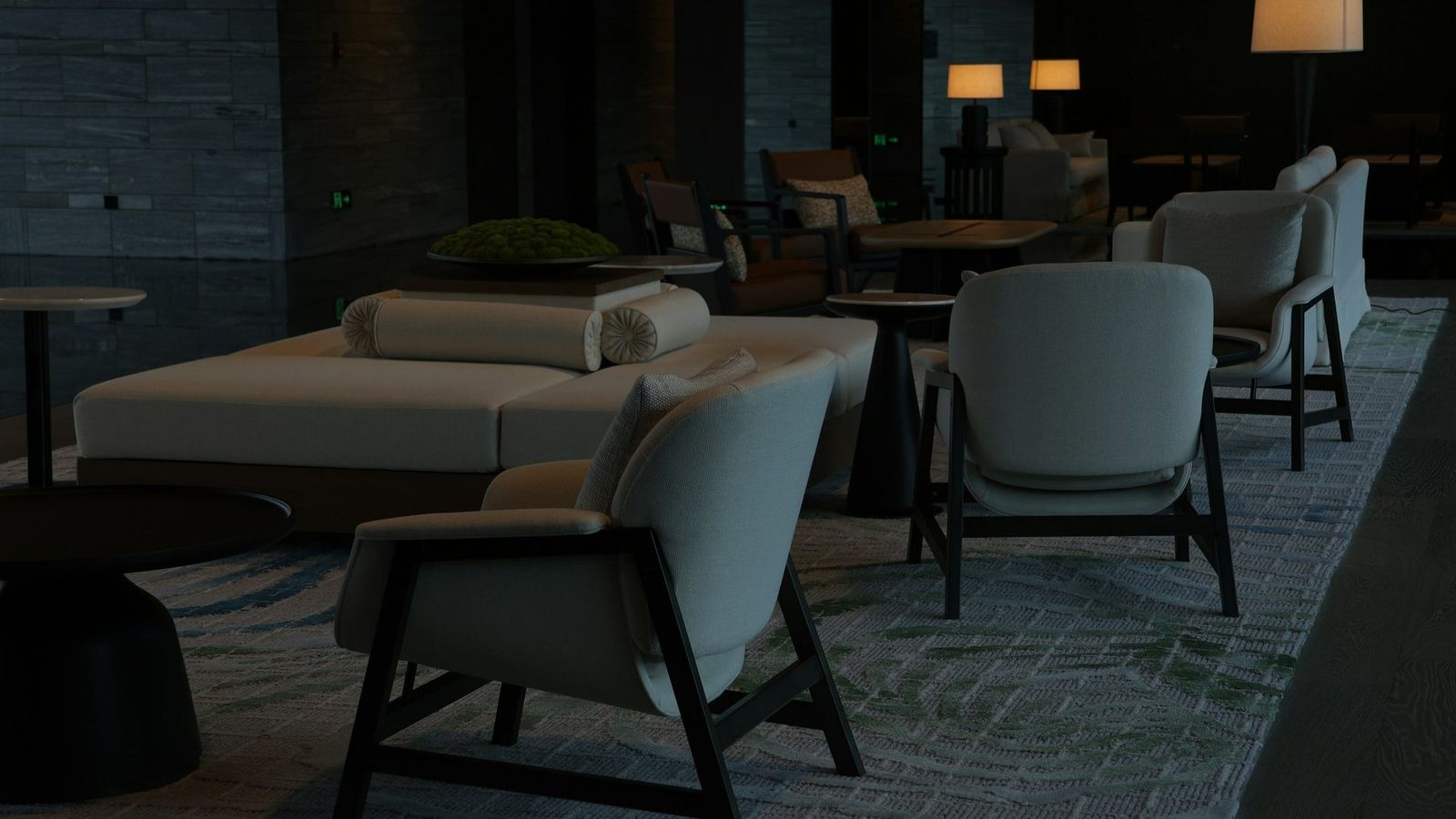
Hospitality security covers hotels, restaurants, bars, nightlife venues and corporate events. One deployment can combine door supervisors (horecaportier), security hosts inside the venue and event security teams. Mission Support runs standing programmes for hospitality venues and staffs one-off events across the Netherlands. Order without theatre.
In hospitality, security has to read the room before it reads the rule book. The wrong officer in a five-star lobby is worse than none at all. The wrong door supervisor at a club causes the very incident he was hired to prevent.
We staff hospitality and event roles with vetted people trained to hospitality standards. Reception hosts handle first contact with the manners the venue expects. Door supervisors keep order without raising the temperature. Event teams follow the brief and only step forward when they are needed.
Every engagement starts with a venue brief: the type of venue, the guests, peak times, when to escalate and the local legal rules. We deploy from that brief, not from a generic script.
Every incident is recorded. If you need a paper trail, we provide an incident review and a monthly report.
- Door supervisors (horeca portiers)
- Reception / hospitality security host
- Event security (corporate, private, public)
- VIP and guest discretion personnel
- Crowd management and queue control
- Documented incident response
What the right hospitality security provider looks like
Hospitality security differs from other security work in one important way: the security staff are part of the guest experience. A door supervisor who creates friction at the entrance of a five-star hotel has failed before the first guest complains. A host who cannot tell who is who at a corporate event becomes a problem that same evening.
A good provider selects for character first and trains procedure second. The legal minimum is set by the Wpbr: the company needs a permit and every officer a valid security pass. Beyond that you want people who stay calm without provoking, who only escalate after really trying to de-escalate, and who see the venue's reputation as part of their job.
We staff hospitality and event roles from a screened pool of people with experience in the sector. For hotels we choose staff who have worked in luxury hospitality. For nightlife we use door supervisors who know the Dutch rules for horeca portiers: the Alcoholwet (formerly the Drank- en Horecawet), Bibob screening and the working relationship with the local police.
Event security for corporate and private venues — what the brief must cover
Security at corporate events rarely fails because of the incident itself. Most corporate events never have one. It fails because the brief did not cover the situations that would need a response. A conference of 400 people with two known protesters in the audience is a different job from a product launch with press access and open public registration.
A good event security brief covers the floor plan and every entrance, including service doors and loading docks; the guest list and any VIPs who need extra attention; known threats or persons of concern; the escalation chain and who can decide to close the venue; how we work with the venue's own team and with caterers or AV crews who can go anywhere; and the legal rules for this type of event.
We write a security plan before every event. For events over several days we walk the venue beforehand and write a short risk note. We go through the plan with you rather than just emailing it. Our teams work to the plan and send a written summary afterwards, even when nothing happened.
Where hospitality security goes wrong — and what prevents it
Three problems keep coming back in hospitality security. The first is the wrong person: an officer with the right papers and the wrong temperament for the venue, too aggressive for a hotel lobby or too soft for a late-night bar. The second is a poor briefing: staff who arrive without knowing the guests, the escalation chain or who is in charge on site. The third is too few people at the busy moments. Staffing matches the average crowd but has nothing extra for the moments when risk actually peaks: arrival, closing time and the moment everyone leaves at once.
We deal with all three through a required venue brief before every deployment, staff chosen for the sector and the guests, and cover planned around the real risk moments instead of a flat headcount. For recurring work, such as monthly events, weekly venue security or hotel programmes, we build a fixed team that already knows the venue, your staff and your managers before each shift.
- Hotels
- Restaurants & bars
- Nightlife venues
- Corporate events
- Conferences & trade fairs
- Private and ceremonial events
Frequently asked questions
What is the difference between a door supervisor and a hospitality security host?
Does Mission Support provide event security for one-off events?
Can Mission Support staff a hotel security programme?
What happens if an incident occurs during an event?
Is Mission Support able to provide VVIP or celebrity security at events?
Talk to a specialist about this service
We will respond within one business day. Initial conversations are confidential and without obligation.
Schedule a Survey