
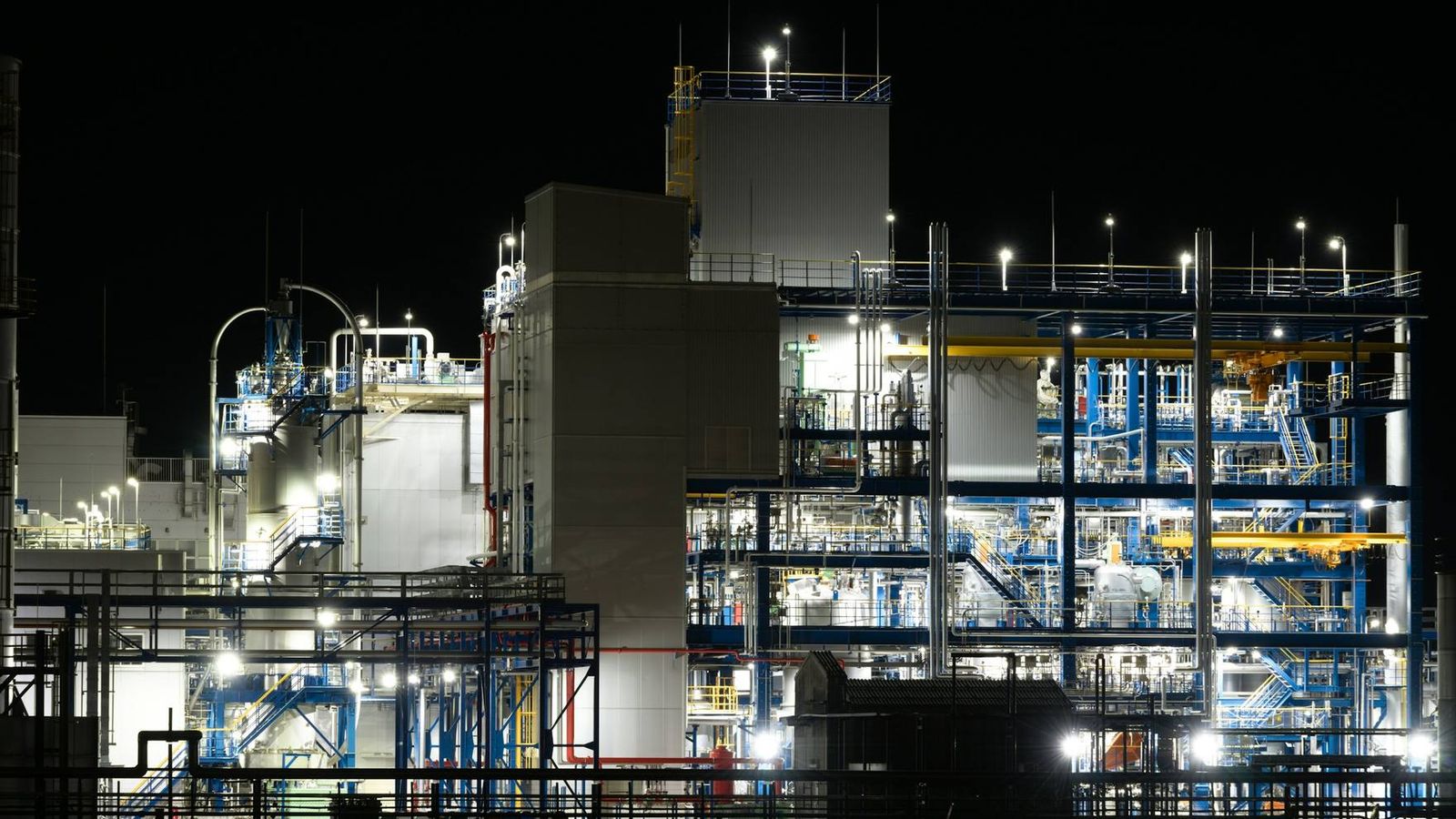
Specialist operations covers two kinds of work most security firms do not offer: secure logistics for pharmaceuticals, fine art and sensitive documents under a documented chain of custody, in line with your GDP agreement, and the protection of critical infrastructure whose failure would affect society. Each service is planned in writing before it starts, and ends with records for your regulator or insurer.
The two sit together because they fail in the same way. A mistake here costs more than a complaint: it means regulatory liability, reputational damage or physical harm. Both need their own planning, equipment and knowledge of the rules, which is why most security firms subcontract this work or turn it down. We keep it narrow: two services, done properly, and a polite no to other specialist requests.
Secure logistics moves pharmaceuticals, clinical-trial materials, fine art, jewellery and sensitive documents with vetted drivers, a planned route and a custody record for every handover. Critical-infrastructure protection covers the physical security of energy, water, telecom and transport sites, from the first audit to guarding and response.
Searching a room for listening devices is a separate service: see TSCM bug sweep services.
- Secure transport of pharmaceuticals and clinical-trial materials
- Escorted transport of fine art, jewellery and sensitive documents
- Route planning, live tracking and chain-of-custody records
- Security design and audits for critical-infrastructure sites
- Guarding and response at energy, water and telecom sites
- Compliance documentation for regulators and insurers
Secure logistics for high-value goods and pharmaceuticals
Secure logistics is the physical movement of valuable, sensitive or regulated goods under a documented chain of custody: pharmaceuticals, clinical-trial materials, fine art, jewellery and sensitive documents. It is not armoured courier work in the old sense. The service covers route planning, the choice of vehicle, vetted drivers, live tracking, checks before each handover and a custody record that meets the standards of the receiving sector.
Most of the risk is removed before the vehicle leaves. We plan each transport around the value of the cargo, how sensitive it is to time and temperature, the threat picture on the route and the recipient's handover requirements. Vehicles and drivers are matched to that plan rather than taken from a general pool. A security team follows the movement and can step in if the plan is compromised.
Pharmaceuticals come with their own rules. Under the EU guidelines on Good Distribution Practice (GDP), the wholesale distributor stays responsible for medicines while they are on the road, and outsourced transport runs under a written agreement. We work to that agreement: your temperature range, your deviation procedure, your handover checks. The custody log is written so it can go straight into your GDP file.
Fine art and documents need a different kind of care. For art, the courier paperwork becomes part of the provenance record, so it has to be complete. For jewellery and sensitive documents, the best protection is that very few people know the route and the timing.
Critical-infrastructure protection for sites that cannot go down
Critical infrastructure (power generation and distribution, water treatment, telecoms, transport hubs and financial market infrastructure) is defined by what happens when it fails. The result is not a business problem but a problem for society. Security for these sites is therefore different from ordinary commercial security. The threats include intrusion meant to disrupt operations, insiders with legitimate access, and hybrid attacks that combine physical and cyber methods.
Protecting a site like this means making perimeter security, access control, cameras, guards and detection systems work together against one threat model. That model reflects the site's classification, its weak points and the rules that apply to it. In the EU those include NIS2 and the CER directive on the resilience of critical entities, alongside sector rules from Dutch regulators such as the ACM and the RDI. On sites with explosive atmospheres, ATEX decides which equipment, down to radios and torches, may enter the hazardous zones. The protection plan has to stand up in front of a regulator as well as work on the ground.
Our critical-infrastructure work covers designing and auditing security programmes, recommending physical hardening, assessing the guard force, and producing the documents operators need to show compliance to regulators and insurers. We work as advisers and assessors, or as the operational provider where a managed guard and response service is needed.
An audit ends with a written report that ranks the findings by risk and explains what each fix involves, so your board, your insurer and the regulator work from the same picture. We are also clear about our limits: where a site needs protection at state level, we say so.
- Pharma & life-sciences
- Art & cultural institutions
- Jewellers & luxury goods
- Critical-infrastructure operators
Frequently asked questions
What does secure logistics cover and is it different from standard courier work?
How do you handle pharmaceutical shipments that fall under GDP?
What does critical-infrastructure protection involve in practice?
Do you only advise, or can you also run security on site?
What records do we receive at the end of an assignment?
Talk to a specialist about this service
We will respond within one business day. Initial conversations are confidential and without obligation.
Request a Consultation